

What Books Should I Be Reading With My Kids?
Janine Sigley • August 13, 2025
Why Story Dogs Chooses Books That Build Confidence.
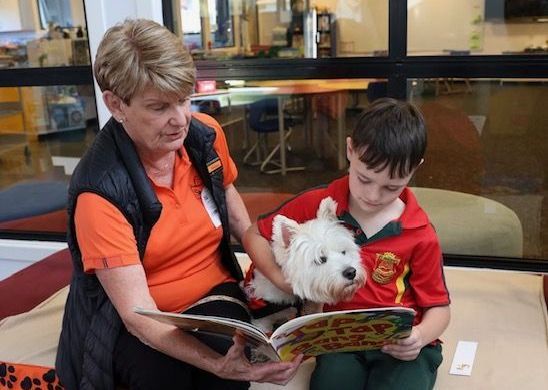
Reading with your child is one of the most powerful ways to support their growth—but what should you be reading? With thousands of titles on bookstore shelves and even more online, it’s easy to feel overwhelmed.
At Story Dogs, we specialise in helping children who are struggling with literacy build confidence, connection, and a love of reading. And the books we choose play a crucial role.
Here’s what we look for—and how you can use the same principles at home to support your child’s reading journey.
🐾 1. Choose books that feel fun, not frustrating
If a book is too hard, a child might feel discouraged. That’s why we use high-interest, low-difficulty books. These are books that engage children with humour, repetition, or exciting topics while using vocabulary they can manage. We also try and use Australian authors.
📚 Try This at Home:
Let your child choose the book—even if it’s one you’ve read a hundred times. Familiarity breeds confidence.
Look for books with clear fonts, bright illustrations, and short sentences.
🐾 2. Repetition builds confidence
Books with repeated phrases or patterns help children predict what comes next. This builds fluency and gives them the “I can do this!” feeling that keeps them turning pages.
📖 Story Dogs Favourite:
Pig the Pug by Aaron Blabey
Why? It’s silly, simple, and full of fun repetition.
🐾 3. Read-aloud appeal matters
We love books that are made to be read out loud—especially those that spark giggles or encourage interaction.
📖 Story Dogs Favourite:
Don’t Let the Pigeon Drive the Bus! by Mo Willems
Why? It uses speech bubbles, invites participation, and helps children express themselves with tone and emotion.
🐾 4. Rhyming and rhythm help with early reading skills
Books with rhyme and rhythm help kids hear the sounds in words—a crucial step in learning to read. Plus, they’re just fun to say!
📖 Story Dogs Favourites:
"Where Is the Green Sheep?" by Mem Fox – Uses rhyme and rhythm to introduce opposites and concepts.
"The Wrong Book" by Nick Bland – Full of rhythm and repetitive structure.
Why? It’s bouncy, silly, and full of rhyming patterns that stick.
🐾 5. Build emotional literacy through stories
Not every book has to be funny. Some of the most impactful titles gently explore emotions, helping children process their feelings and connect with others.
📖 Story Dogs Favourite:
"Are We There Yet?" by Alison Lester
A gentle family travel story that quietly explores curiosity, boredom, and togetherness.
🐾 6. Representation and cultural connection matter
We include First Nations stories and diverse authors so children see themselves—and others—reflected in the stories they read. This supports empathy, belonging, and awareness from a young age.
📖 Story Dogs Pick:
"Edwina the Emu" picture book by Sheena Knowles and Rod Clement
Why? The book is known for its rhythmic, rhyming verse, humorous illustrations, and entertaining story, making it perfect for reading aloud.
✨ Final Tips for Parents and Carers
Re-reading is not cheating—kids learn through repetition.
Praise the effort, not just the outcome.
Read alongside your child, not above them. Even if they’re just telling the story from pictures—they’re building narrative skills! If a child is struggling, read alternate pages or repeat the same sentence together. Every little step builds confidence. At Story Dogs, we believe that reading should be joyful—not stressful. And with the right book, every child can fall in love with reading.
Want to see what’s in our reading kit? Download our book list (HERE)
Follow us on social media for regular book highlights or explore more about our literacy program at storydogs.org.au.
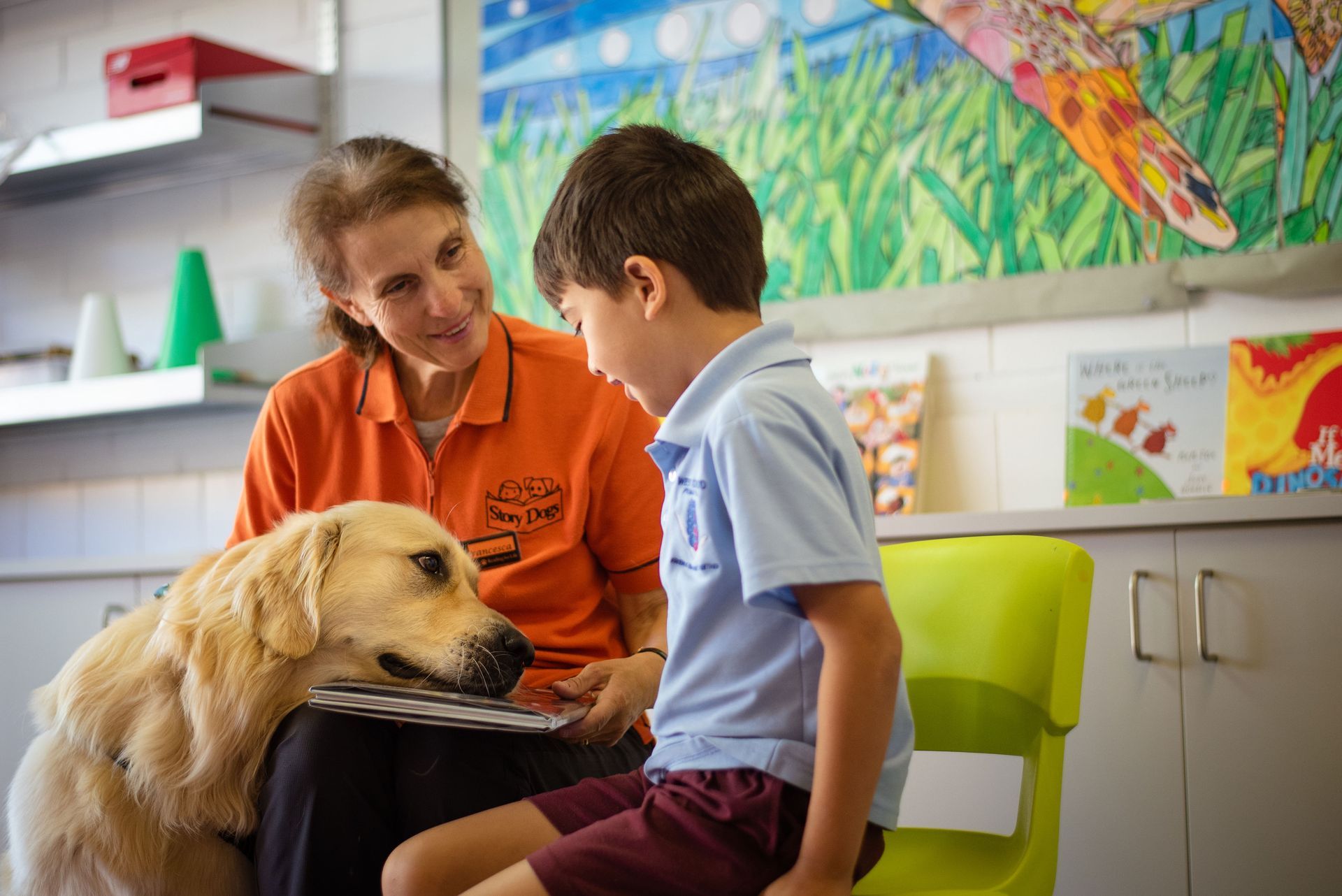
For too many children, reading feels overwhelming. NAPLAN results show that thousands of Year 3 students are falling behind at the very moment when literacy matters most. When words stop making sense, confidence begins to fade — and that feeling can last a lifetime. But when a child sits beside a calm, friendly Story Dog, something beautiful happens.
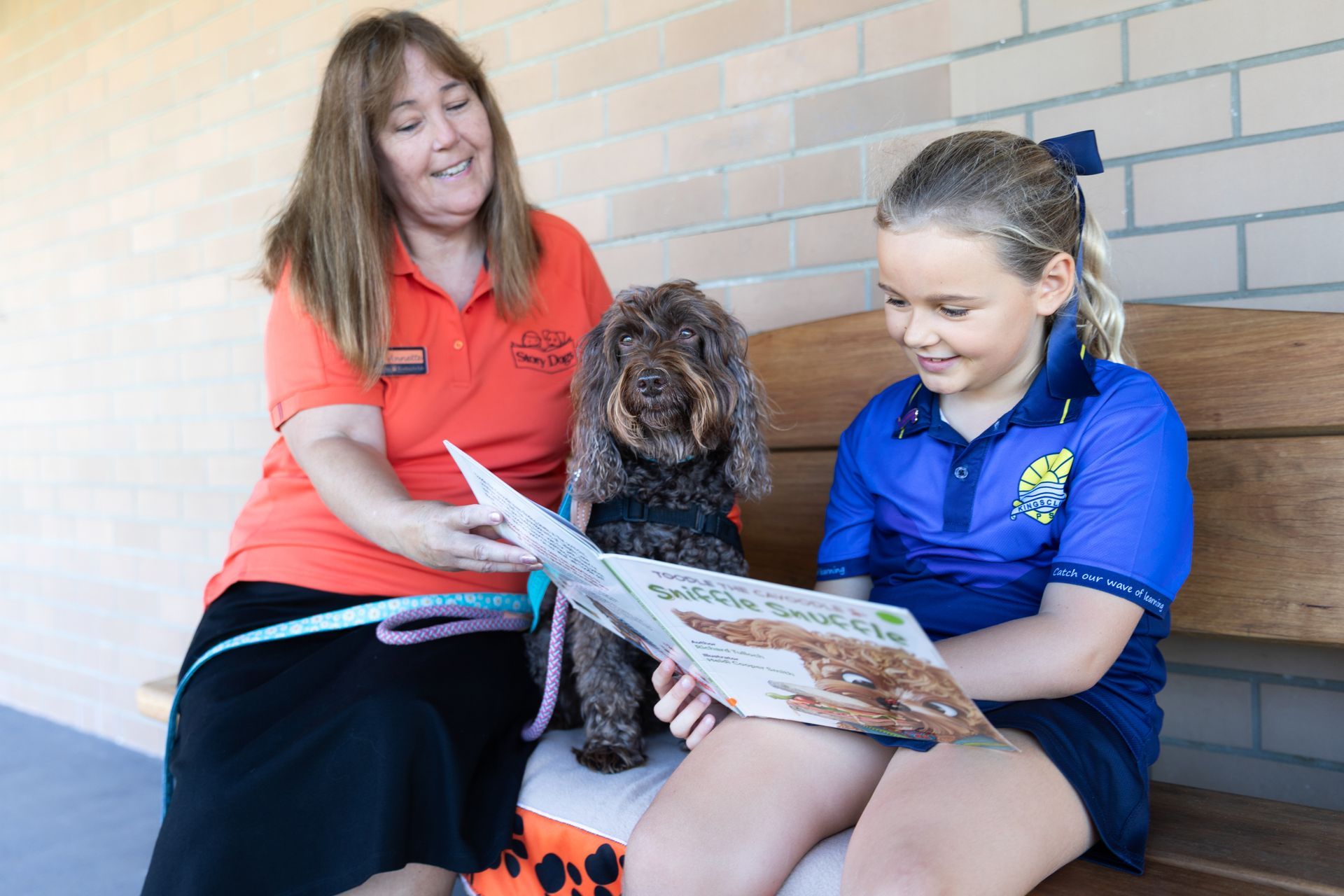
Christmas is a season of giving — and one of the greatest gifts we can give a child is the confidence to read.
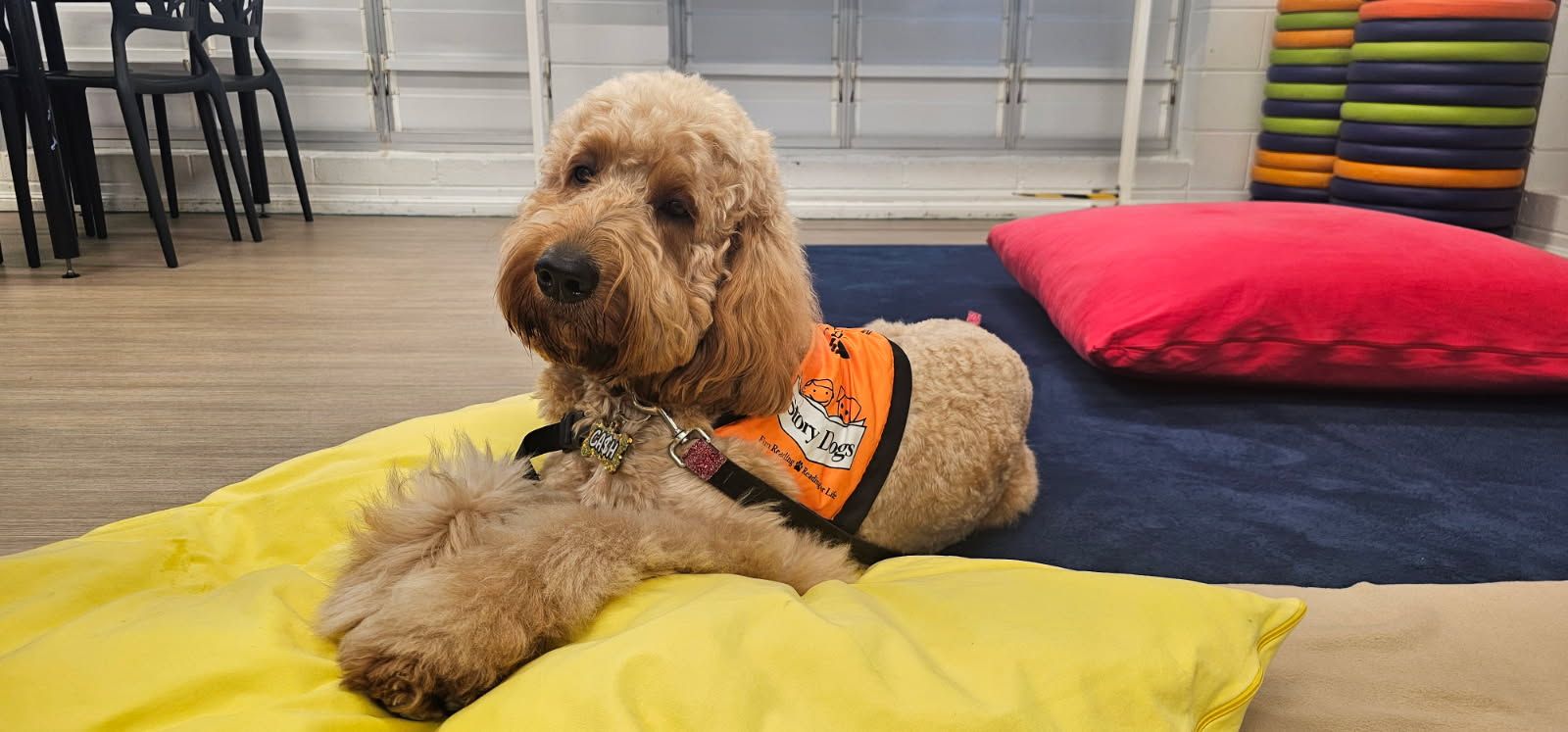
At Story Dogs, we believe that creating confident readers starts with creating confident teams. That’s why every single volunteer and dog is professionally assessed before they begin working in schools. It’s a vital part of what makes our program safe, impactful, and truly life changing. Why We Assess: Children who struggle with reading often need extra support — not just academically, but emotionally. That’s why Story Dogs sessions are calm, consistent, and non-judgemental. To deliver this experience, we make sure every Team is ready from day one. Assessment isn’t just a tick-the-box process — it’s a thoughtful evaluation of how the dog and handler work together and how they’ll respond to the school environment. What Our Assessors Look For: Our trained Assessors evaluate: 🐾 The dog’s calm, friendly temperament 🐾 Obedience and trust between dog and handler 🐾 The team’s ability to remain focused in busy, noisy settings 🐾 Excellent grooming, health, and hygiene 🐾 A dog that enjoys attention and listening to stories We’re not looking for show ponies — we’re looking for school-ready Story Dogs that can help children relax, engage, and feel proud of their reading journey. Who Are Our Assessors? Our Assessors are experienced professionals. All have backgrounds in dog behaviour, dog training, or dog therapy work. Our Assessors use force free training methods and will help our volunteers with hints and tips to ensure a strong bond is maintained between the dog and handler. They not only welcome each new team but guide them with care - providing valuable feedback and ongoing support. Ongoing Support & Quality Assurance: Assessment is just the beginning. Once in the school, our volunteers receive ongoing contact, check-ins, and encouragement — especially during their first year. This ensures the experience is safe and successful for: • The child • The school • The volunteer • And of course, the dog! This ongoing model of support is what sets Story Dogs apart. It’s our commitment to quality, not just quantity. In Their Own Words: “It’s not about perfect obedience — it’s about building trust. We’re here to help each team bring calm and confidence into the classroom.” Story Dogs Assessor Conclusion Every orange vest you see in a school represents hours of dedication - not just from the volunteer and their dog, but also from our Assessors who set them up for success. The Story Dogs Difference is more than a cute moment. It’s a professionally guided program that works — and our Assessors are a key part of that success. 🧡 Let’s give them the recognition they deserve.

While we humans enjoy our chocolate eggs and hot cross buns, it’s important to remember that many traditional Easter goodies can be harmful to dogs. But don’t worry! We’ve got you covered with some pawsome, dog-friendly Easter treats you can make at home. 🐾💛 Why Regular Easter Treats Are Dangerous for Dogs 🚫 Before we dive into the recipes, let’s talk about what not to give your pup this Easter: Chocolate 🍫 – Contains theobromine, which is toxic to dogs. Hot Cross Buns 🍞 – Often contain raisins and sultanas, which can cause kidney failure. Xylitol (Artificial Sweetener) 🧁 – Found in some sugar-free sweets and peanut butters, highly toxic to dogs. Fatty or Spicy Foods 🌶️ – Can lead to pancreatitis and digestive issues. Instead, let’s whip up some safe and tasty Easter goodies for your furry friend! 🐶 Carrot & Peanut Butter Easter Biscuits These crunchy, delicious biscuits are packed with dog-friendly flavours and make the perfect Easter snack! Ingredients: 1 cup oat flour (or blended oats) 1/2 cup grated carrot 1/4 cup unsweetened natural peanut butter (NO xylitol!) 1 egg 1/4 cup water Instructions: Preheat oven to 180°C (350°F). Mix all ingredients in a bowl until a dough forms. Roll out and cut into fun Easter shapes (bunnies, eggs, bones!). Bake for 15-18 minutes or until golden brown. Let cool completely before serving. 🐾 Bonus: These make a great training treat, too! 🐰 Frozen Banana & Blueberry Easter Treats A refreshing and healthy snack for warm Easter afternoons! Ingredients: 1 ripe banana 1/2 cup plain Greek yogurt (unsweetened, no artificial sweeteners) 1/4 cup blueberries Instructions: Blend all ingredients together. Pour into silicone moulds (Easter shapes make it fun!). Freeze for at least 3 hours. Pop them out and serve as a cool treat! 🐾 Tip: These are great for teething puppies, too! 🥕 Easter Carrot Pupcakes Because every pup deserves a little cake on Easter! Ingredients: 1 cup whole wheat flour 1/2 cup grated carrots 1/4 cup unsweetened applesauce 1 egg 1/2 tsp baking powder 2 tbsp coconut oil Instructions: Preheat oven to 180°C (350°F). Mix all ingredients in a bowl until smooth. Pour into mini muffin tins. Bake for 12-15 minutes. Let cool and serve! 🐾 Optional Topping: A small dollop of Greek yogurt for frosting! Easter Safety Tips for Dogs ✅ Keep chocolate and other toxic foods out of reach. ✅ If doing an egg hunt, make sure no small objects or wrappers are left behind. ✅ Supervise children when giving treats to dogs to ensure safe portions. ✅ Always introduce new treats in moderation to avoid tummy upset. This Easter, let’s celebrate safely with our furry friends and spoil them with treats that are as healthy as they are delicious! 🐶💛🐰
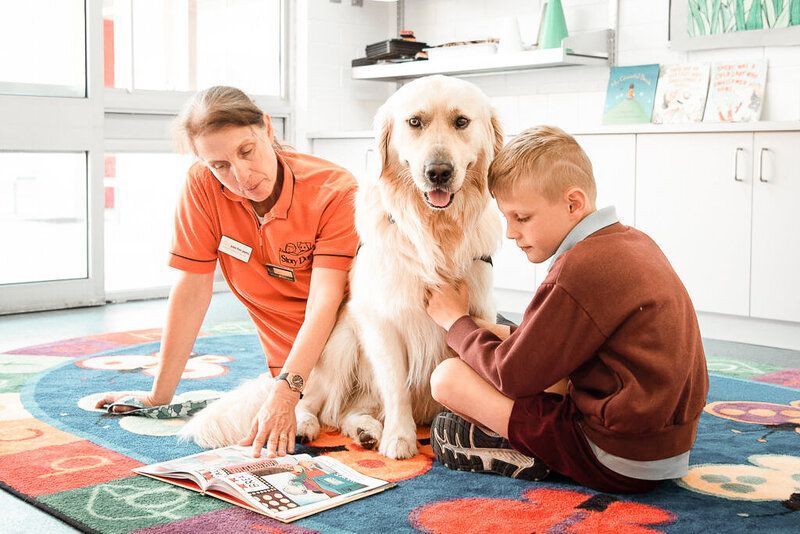
Assistance Dogs: A Lifeline for People with Disabilities An assistance dog is specially trained to help individuals with disabilities by performing specific tasks that alleviate the effects of their condition. These dogs are accredited under state and territory laws in Australia and recognized under the Disability Discrimination Act 1992 (Cth). Because of their essential role, assistance dogs are permitted access to public spaces, including restaurants, shops, and public transport. Common types of assistance dogs include: Guide Dogs – Help individuals who are blind or visually impaired navigate safely. Hearing Dogs – Alert people with hearing impairments to important sounds. Mobility Assistance Dogs – Support individuals with physical disabilities by retrieving objects, opening doors, and assisting with movement. Medical Alert Dogs – Detect seizures, low blood sugar, or other medical conditions and alert their handler. T herapy Dogs: Comfort and Emotional Support A therapy dog is trained to provide emotional support, comfort, and companionship in settings such as hospitals, schools, and nursing homes. Unlike assistance dogs, therapy dogs do not perform specific tasks for individuals with disabilities. Instead, they offer stress relief, social interaction, and emotional well-being through Animal-Assisted Therapy (AAT), which is often conducted by healthcare professionals. Therapy dogs are frequently used in: Hospitals to reduce anxiety for patients Nursing homes to provide companionship for the elderly Schools to support students with emotional regulation While therapy dogs bring great comfort, they do not have the same legal access rights as assistance dogs. School Dogs: Enhancing Student Well-Being A school dog is integrated into a school environment to support students' emotional, social, and cognitive development. Schools often introduce dogs to help: Reduce student anxiety and stress Improve classroom behaviour and social skills Enhance student engagement and focus The role of a school dog varies depending on the school’s objectives and the training the dog has received. They may assist students in emotional regulation, provide comfort in counselling sessions, or simply create a calming presence in the classroom. Story Dogs: Improving Literacy Through Animal-Assisted Learning A Story Dog is not a therapy dog or assistance dog —it serves a unique purpose in Animal-Assisted Learning (AAL) by helping children develop confidence in reading. The concept is simple but powerful: children read aloud to a friendly, non-judgmental dog in a relaxed environment. This interaction helps to: 📖 Boost reading confidence – Children who struggle with reading feel less pressure when reading to a dog, as they know the dog will not correct or criticize them. 🐾 Reduce anxiety – The presence of a calm, supportive dog makes reading feel safer and more enjoyable. 🧡 Foster a love for books – By associating reading with positive experiences, children are more likely to develop a lifelong passion for learning. Story Dogs are specially chosen for their calm temperament and trained to work in school settings. They visit classrooms or libraries, where children take turns reading to them in one-on-one sessions. The simple act of reading aloud in this setting can transform a child’s attitude toward books, turning reluctance into enthusiasm. Why Story Dogs Are Different Unlike therapy or school dogs, Story Dogs focus exclusively on literacy. They do not provide emotional therapy or generalized well-being support; instead, they engage in a structured literacy program that helps children develop essential reading skills. Every Story Dog session is designed to encourage reading growth and positive reinforcement. Volunteers and their dogs create a welcoming environment where children feel safe, supported, and eager to learn. The goal is not to test or correct reading but to make it an enjoyable, pressure-free experience. The Power of Story Dogs in Schools Recent NAPLAN results indicate that one in three Australian students is not meeting minimum literacy and numeracy standards . This underperformance highlights the need for innovative programs that can help bridge the gap. Story Dogs play a vital role by: Helping children who are reluctant or struggling readers Providing an alternative, stress-free reading environment Offering po s itive reinforcement that builds long-term literacy skills For a child who finds reading daunting, a Story Dog can be the turning point—transforming fear into confidence and hesitation into excitement. Join the Story Dogs Movement! 📢 Do you know a school that could benefit from Story Dogs? Spread the word and help us bring more furry reading buddies into classrooms! 🐾 Interested in becoming a volunteer with your dog? Learn how you can make a difference! Click Here 💡 Businesses and individuals can sponsor a Story Dog team. Your support helps more children discover the joy of reading. Click Here Every child deserves the chance to read with confidence. With Story Dogs, every page turned is a step toward success. 🧡📚🐶 #StoryDogs #ReadingConfidence #LiteracyMatters #AnimalAssistedLearning #DogsThatRead #EducationForAll
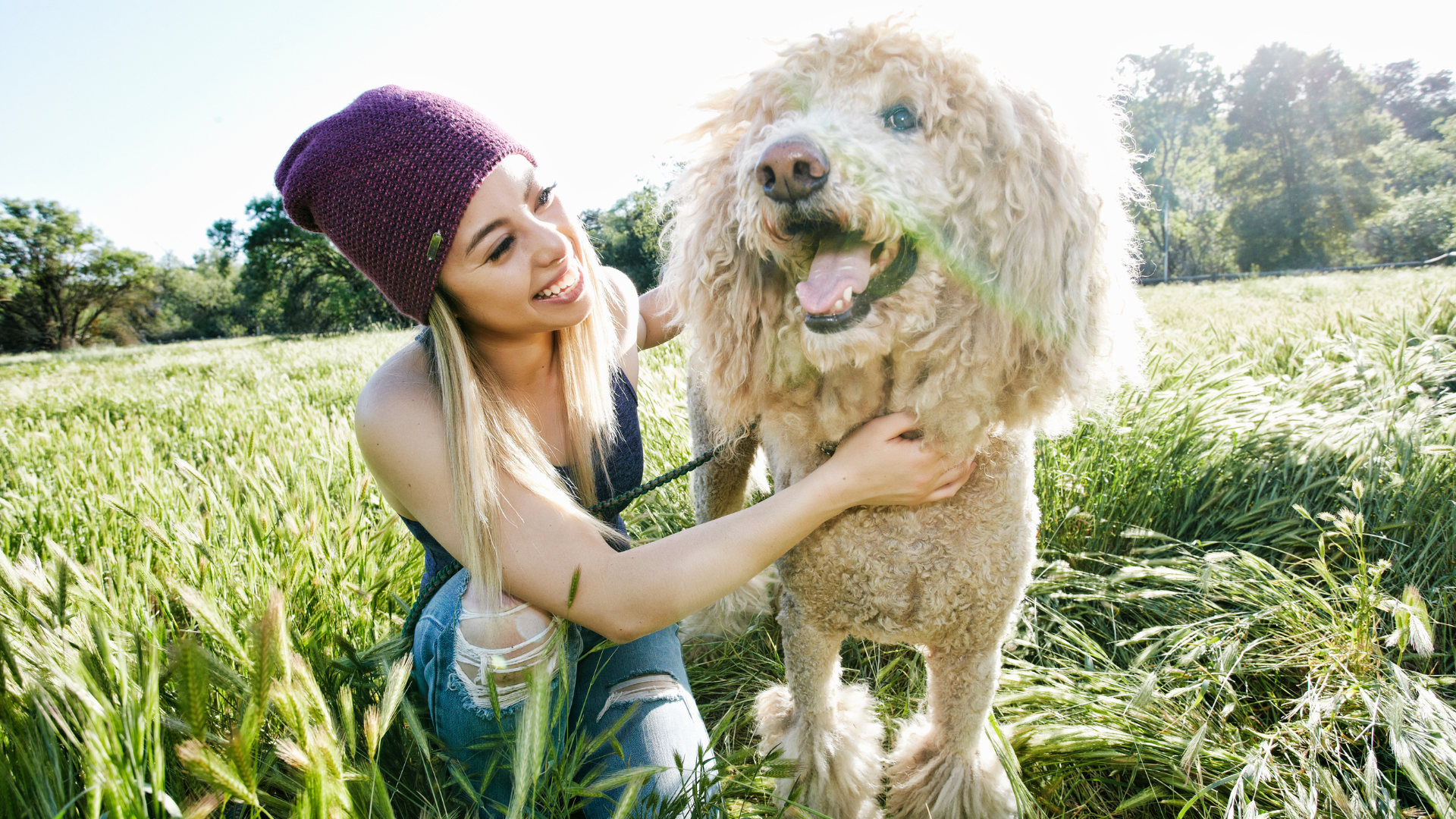
Understanding Consent-Based Touch with Your Dog: Why Teaching Kids to ‘Speak Dog’ is Crucial
Building a respectful and trusting relationship with our dogs is essential for their well-being and ours. Consent-based touch is a simple yet powerful concept that helps ensure our interactions are positive, safe, and enjoyable for both humans and dogs. But beyond our own understanding, it's equally important to teach children how to interact with dogs in a way that respects the dog’s boundaries and comfort levels.
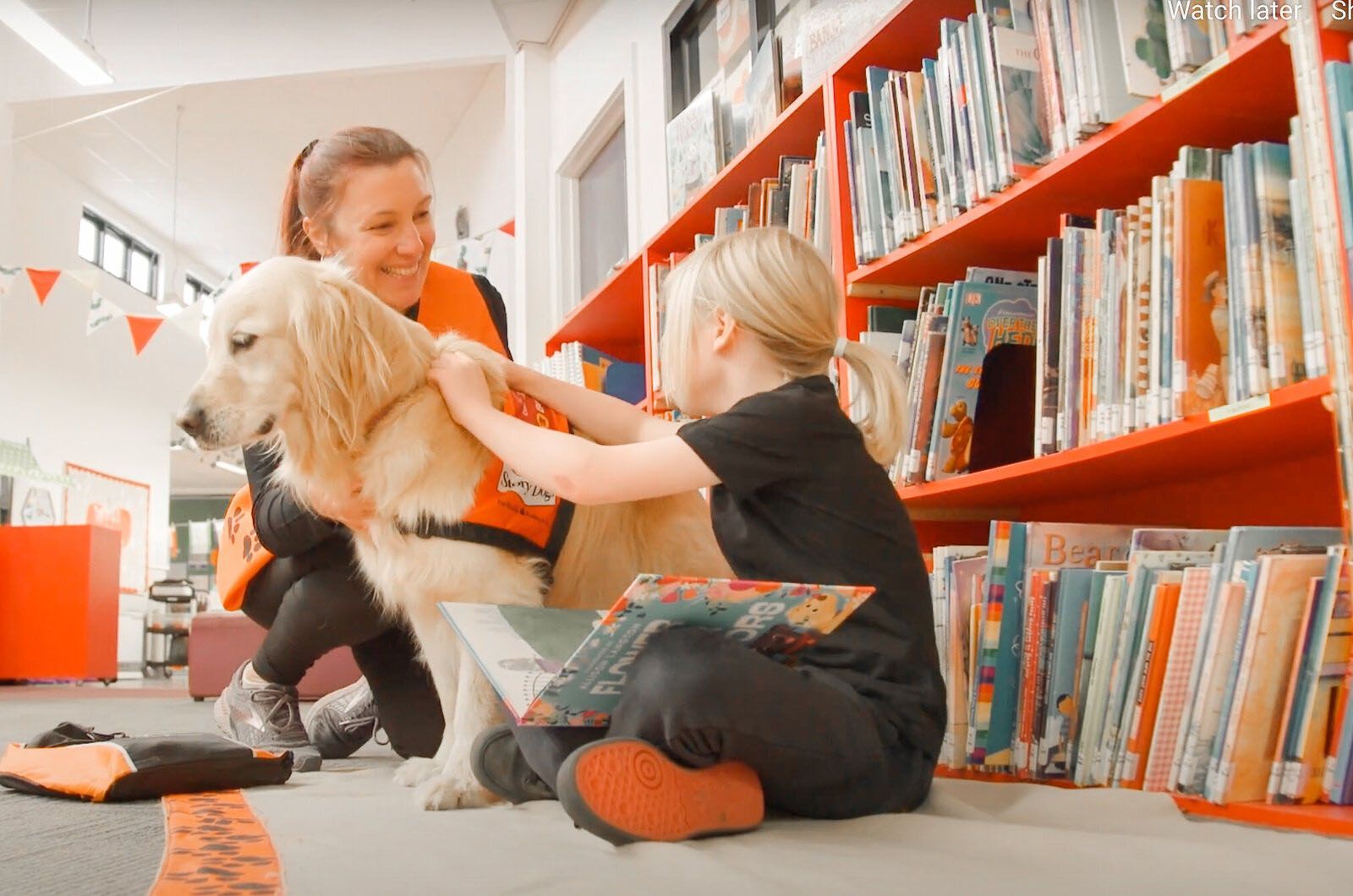
The 2024 NAPLAN results are a wake-up call—over 34,000 Year 3 students need additional support with reading. 📚 This makes Story Dogs more crucial than ever. We’re already helping nearly 3,000 students each week, but with so many children still at risk of falling behind, our mission has never been more urgent.

We're beyond thrilled to share that Story Dogs has been named a successful grant recipient of the prestigious Qantas Regional Grants program for 2024!
Since taking off from outback Queensland in 1920, Qantas has been a cornerstone in driving local economic activity and supporting jobs across Australia’s regional communities. Their commitment to these communities, recognized as the heart and spirit of Australia, shines brightly through their Regional Grants program, now in its third incredible year.
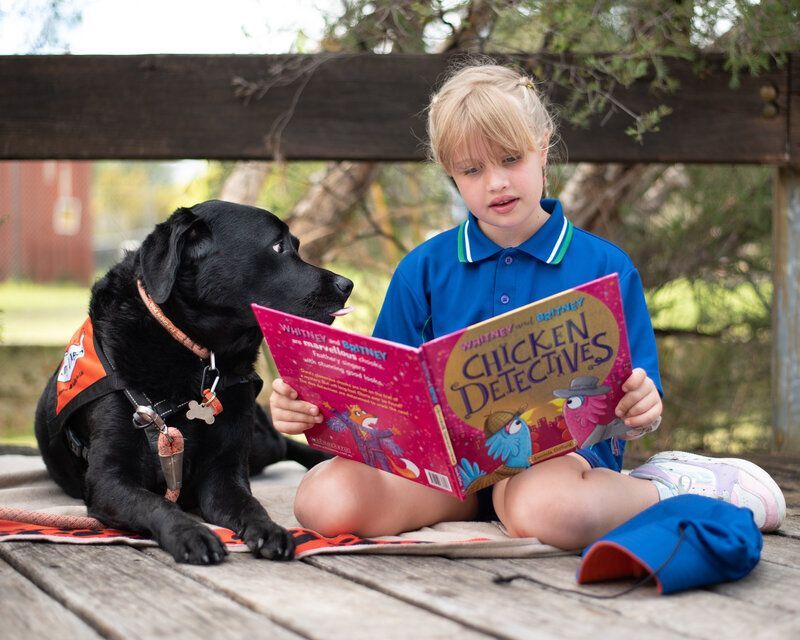
Your Dog Can Read Your Mind: Understanding the Unique Bond Between Humans and Dogs
Dogs have been our loyal companions for thousands of years, and their ability to understand and respond to human emotions has fascinated researchers and pet owners alike. But how much can our furry friends really perceive? Can they read our minds? Let's delve into the remarkable bond between humans and dogs and explore the science behind their seemingly intuitive behaviour.